On November 5, 2026, drone delivery startup Zipline announced that Zipline raised $1.5 billion, lifting its valuation to $21.5 billion. The same day it signed a new multi-year deal with Walmart to add 300 drone delivery sites across the United States. For software and hardware teams, it is a useful signal: investors are paying a steep premium for companies that master devices, code and day-to-day operations together.
Who backed the $1.5 billion round
According to TechCrunch, the round was led by Paradigm, WCM Investment Management and Layer Global. Valor Equity Partners, Fidelity Management & Research Company, Uber, Tiger Global, J.P. Morgan, ARK Invest and Salesforce Ventures also took part, and the company is now valued at $21.5 billion.
Zipline says the money will go toward expanding its U.S. manufacturing facilities and hiring, with the aim of building a nationwide drone delivery network. In other words, this is capital for factories and people, the classic profile of a hardware company's growth round.
Walmart goes from 21 sites to more than 300
The two companies have worked together since 2021, but the scale is now very different. They currently operate 21 active delivery sites, and the new agreement adds 300 more across the country. A jump of more than tenfold suggests drones are no longer a side experiment for the largest U.S. retailer.
Zipline also shared a metric worth noting: its share of delivery revenue rose from 10.8% to 34.9% between March and October this year. The original article does not explain how it is calculated, so treat it as a company-reported figure. Still, the direction is clear, and the new funding is meant to push it higher.
From delivering blood in Rwanda to suburban doorsteps
Founded in 2014, Zipline started in Africa, using autonomous drones to deliver blood in Rwanda before expanding to Ghana and Nigeria. It began U.S. operations in 2020, carrying medical supplies for Novant Health in North Carolina, and struck its first Walmart deal a year later.
The turning point in the U.S. came in 2022, when the FAA granted it Part 135 air carrier certification, the approval that allows long-range commercial drone delivery. Partnerships have followed, including Uber in August this year. Today Zipline delivers food, retail, agricultural and health products in five African countries, several U.S. cities and Japan.
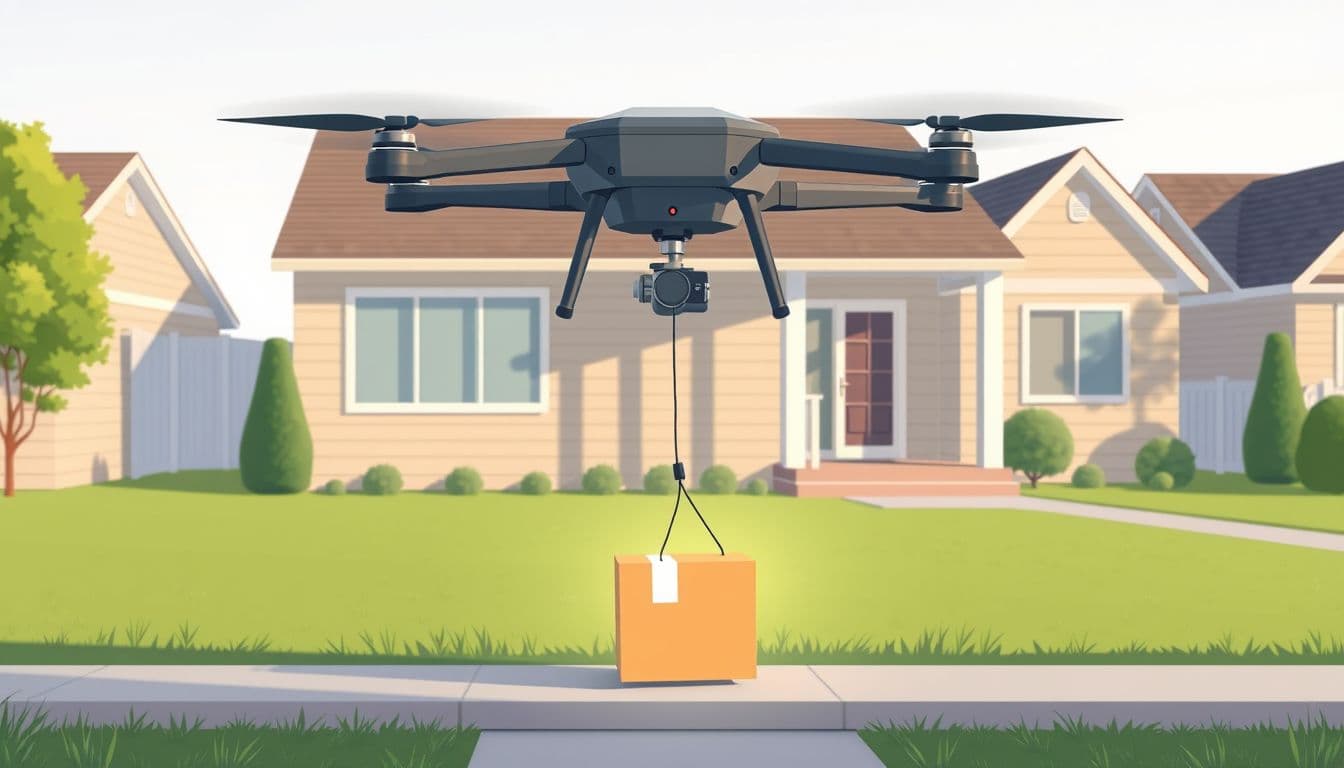
On the hardware side, home delivery uses its Platform 2 drones, which carry up to eight pounds within a 10-mile radius. The larger Platform 1 drones handle enterprise and government deliveries on round trips of up to 120 miles.
What software teams can take from this deal
Zipline does not just sell a drone. It has built an ecosystem of aircraft, launch and landing systems, and logistics software. That integration is what lets it sign large contracts with a partner like Walmart, because the customer is buying a working service rather than a loose piece of equipment.
Three lessons stand out for software and digital transformation teams:
- Software is the stickiest layer. In hardware businesses, dispatching, order tracking and route optimization are the hardest parts to copy.
- Compliance is part of the product. Part 135 certification was a huge hurdle, and it is also a moat once cleared.
- Scale starts with an anchor customer. A multi-year commitment from a big buyer lets a company plan production and hiring with more confidence.
The trend of backing physical infrastructure startups is not unique to Zipline. We previously covered Northwood Space raising $375 million for a ground station network, another case of big capital flowing into companies that pair hard infrastructure with control software. Closer to home, the VGC v1.0 security chip made in Vietnam shows hardware is getting fresh attention in Vietnam as well.
What to watch next
A $21.5 billion valuation sets a high bar. Zipline will have to show that growing from 21 sites to more than 300 can preserve safety, reliability and margins. Each new market also brings its own aviation rules and privacy expectations, so the pace of expansion will depend heavily on local regulation.
For Vietnamese businesses this story has no direct impact yet, but the hint is useful for anyone building logistics, IoT or operations platforms: the value lies in connecting devices, data and processes into one seamless service.
Conclusion
The news that Zipline raised $1.5 billion and deepened its Walmart partnership shows the market will pay generously for startups that combine hardware, software and real-world operations. If your company is considering a dispatch system, device monitoring or a logistics platform, contact Besoft to discuss the right software solution.
Sources
- TechCrunch, "Zipline hits $21.5B valuation as Walmart expands bet on drone delivery", Kirsten Korosec, November 5, 2026: https://techcrunch.com/2026/11/05/zipline-hits-21-5b-valuation-as-walmart-expands-bet-on-drone-delivery/